Healthy Meals on a Budget: One-Pot Lentil Pasta
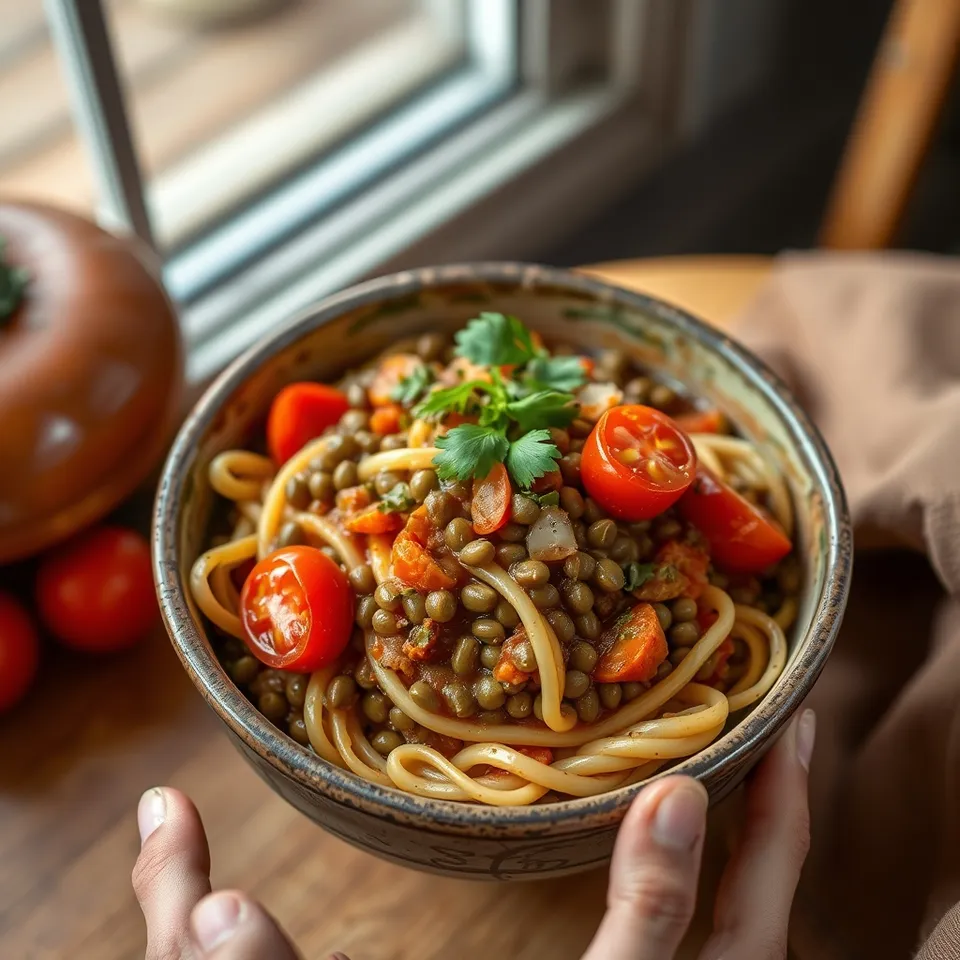
Make a healthy Italian dinner on a budget with this one-pot lentil pasta: pantry vegetables, 45 minutes, 4 servings, and 458 calories a bowl.
The recipe
Researched & sourced- Prep
- 15 mins
- Cook
- 30 mins
- Total
- 45 mins
- Serves
- 4
- Calories
- 458 kcal
Ingredients
Makes 4 servings
- 2 tbsp extra virgin olive oil
- 1 medium onion, chopped
- 1 large carrot, chopped
- 2 cloves garlic, minced
- 1 cup dried lentils, rinsed
- 1 cup cherry tomatoes, halved
- 4 cups reduced-sodium vegetable broth
- 2 cups reduced-sodium vegetable broth
- 1 1/2 cups ditalini pasta
- Salt and black pepper, to taste
- 2 tbsp Italian parsley, chopped
Instructions
- 1
Heat the olive oil in a large pot over medium heat, then add the onion and carrot and cook until they start to soften.
- 2
Stir in the garlic, then add the lentils, cherry tomatoes, 4 cups broth, salt, and black pepper.
- 3
Bring the pot to a boil, reduce it to a simmer, and cook until the lentils are almost tender, about 20 minutes.
- 4
Stir in the pasta and the remaining 2 cups broth, then simmer uncovered for 10 to 12 minutes, stirring often, until the pasta is al dente.
- 5
Stir in the parsley and serve hot.
Quantities, temperatures, and times are researched from the published sources listed at the bottom of this page — never first-person kitchen tests.
This healthy one-pot lentil pasta turns pantry staples into a budget dinner for 4 with 458 calories per serving, and the trick is giving the lentils 20 minutes before the pasta joins the pot.
Why this one-pot pasta fits a budget dinner
The pantry list is lean, and that is why the recipe reads as budget-friendly without feeling stripped down. Olive oil starts the pot; onion, carrot, and garlic build the base; lentils and cherry tomatoes give the dish body; broth carries it; and parsley finishes it cleanly.
The ingredient order matters because it uses the cheapest vegetables as flavor insurance. Onion and carrot soften into the oil, garlic perfumes the base, and the lentils stretch the pot without asking for a separate protein. That is what makes the recipe feel complete on a budget.
A comparison table makes the logic easier to see:
| Decision | What it changes | Why it matters |
|---|---|---|
| Lentils first | The pot builds body before the pasta softens | The final bowl stays substantial |
| Pasta last | The noodles go in only after the lentils are nearly tender | The texture stays intact |
| Uncovered finish | Moisture can reduce at the end | The sauce turns creamy instead of watery |
That short ingredient list matters because the recipe is doing more than filling a pot. It is turning a few shelf-stable items into a bowl that feels complete, which is the part many cheap dinner ideas miss when they lean too hard on one-note pasta or a thin tomato sauce.
The recipe also keeps its budget logic visible in the finished plate. Each serving is 458 calories, with 21 g protein, 18 g fiber, and 680 mg sodium. Those numbers show a bowl that eats like dinner and gives the lentils a real job in the dish.
Pantry ingredients
This recipe works because the ingredients each carry their weight. The onion and carrot bring sweetness, the garlic sharpens the base, the lentils add bulk, and the tomatoes keep the broth from tasting flat. None of that requires a long shopping list or a second pan.
The other advantage is structure. A one-pot method keeps the cook from juggling separate pots, draining, and sauce assembly, so the energy stays on the dinner itself instead of on cleanup.
The source method’s order also protects the tomatoes. They have enough time to soften into the broth while the lentils cook, which keeps the pot from tasting like plain legumes floating in water.
For readers who like this kind of dinner, the same practical logic also shows up in Tomato Basil Pasta for Lazy Nights, which keeps the focus on a quick pasta finish.
Nutrition snapshot
The published nutrition is part of what makes the recipe fit the “healthy meals on a budget” brief. Each bowl brings 458 calories and 21 g protein, which helps the pasta feel like a meal with staying power. The 18 g fiber also makes sense here, because lentils do the heavy lifting rather than leaving the whole dish to refined starch.
The sodium sits at 680 mg per serving, so the recipe is not pretending to be low-sodium; it is simply using reduced-sodium broth and a measured amount of salt to keep the flavor controlled. That is useful information for anyone comparing pantry dinners and trying to avoid a bland result.
Published nutrition like this also helps set expectations before the first bite. The bowl is meant to be filling, balanced, and realistic for a weeknight, not a skimpy pasta side dressed up as dinner.
How to time the simmer so the pasta stays creamy
The timing is the entire texture story. Lentils need a head start because they take longer to soften than the pasta, and the source method uses that difference on purpose instead of rushing everything into the pot at once.
Lentils first
The pot begins with 4 cups of broth, which gives the lentils enough liquid to cook without drying out. The lentils need about 20 minutes to reach the point where they are almost tender, and that is the stage to watch closely.
That almost-tender moment matters because lentils keep drinking liquid while the pasta cooks. If they are pushed too far early, the noodles have less room to finish evenly, and the final bowl can tighten before it has a chance to turn saucy.
The source method keeps the heat steady so the aromatics soften without browning too aggressively. The goal is not a dark stew; it is a balanced pot where the vegetable base supports the pasta instead of overpowering it.
| Stage | Texture goal | Result |
|---|---|---|
| Lentils simmering | Almost tender | The pot has body before the pasta arrives |
| Pasta simmering | Al dente | The noodles keep their shape |
| Final uncovered finish | Spoonable sauce | The bowl stays creamy |
Pasta last
Once the lentils are nearly ready, the pasta goes in with the remaining 2 cups of broth. That second pour keeps the pot loose enough for the noodles to move freely while the starch slowly thickens the broth.
The pasta then simmers uncovered for 10 to 12 minutes until it reaches al dente. Stirring often is part of the method, because it keeps the ditalini moving through the liquid and helps the sauce reduce evenly instead of catching on the bottom.
This is the point where a one-pot pasta either works or turns heavy. The uncovered finish matters because it lets extra moisture escape while the broth and starch settle into a creamy texture that still feels light enough for a weeknight dinner.
Frequent stirring also helps the starch from the pasta emulsify with the broth, so the final sauce clings without needing butter or cream. That keeps the bowl steady and saucy rather than slick or thin.
The cherry tomatoes also matter here. They soften into the pot as the pasta cooks, which helps the sauce stay bright and prevents the final dish from tasting like plain grains and broth.
When the pasta is ready, the parsley goes in at the end so the bowl finishes fresh rather than muted. That last step is small, but it keeps the recipe from tasting like it sat too long in the pot.
Optional sausage add-in, with a food-safety note
A heartier version can include sausage, but the safe target still matters more than the label. USDA guidance says ground beef or ground pork should reach 160°F.
That note is useful because it keeps the add-in grounded in food safety instead of guesswork. The sausage can make the bowl more filling, but the base recipe already stands as a full vegetarian dinner when the goal is to keep the pot simple.
A separate browning step is the safer place for meat if a reader wants extra richness, because the pot’s main job is still to finish the lentils and pasta in order. The sausage should be treated as an add-in, not the center of the recipe.
For cooks comparing this recipe with other pasta nights, the main difference is that this one keeps the timing exact while still feeling flexible. The body comes from lentils, the sauce comes from broth and tomatoes, and the finish stays in control because the pasta is added late.
The result is a budget dinner that does not read as a compromise. It is straightforward, filling, and built from ingredients that support each other instead of competing for attention.
Frequently asked questions
How long should the lentils simmer before I add the pasta?
The lentils should simmer for about 20 minutes before the pasta goes in, but the more important cue is that they are almost tender. That timing gives the pot enough body without letting the noodles overcook.
How long does the pasta cook in the pot?
The pasta usually needs 10 to 12 minutes of uncovered simmering once it joins the pot. Stirring often helps it cook evenly and keeps the sauce from sticking.
How many servings does this recipe make?
The recipe makes 4 servings. That count matches the published nutrition total and makes the pot useful for dinner plus leftovers.
How many calories are in one serving?
Each serving has 458 calories. The bowl still brings 21 g protein and 18 g fiber, which is why it reads as a full meal.