Homemade Alfredo Sauce for a Silky, Classic Finish

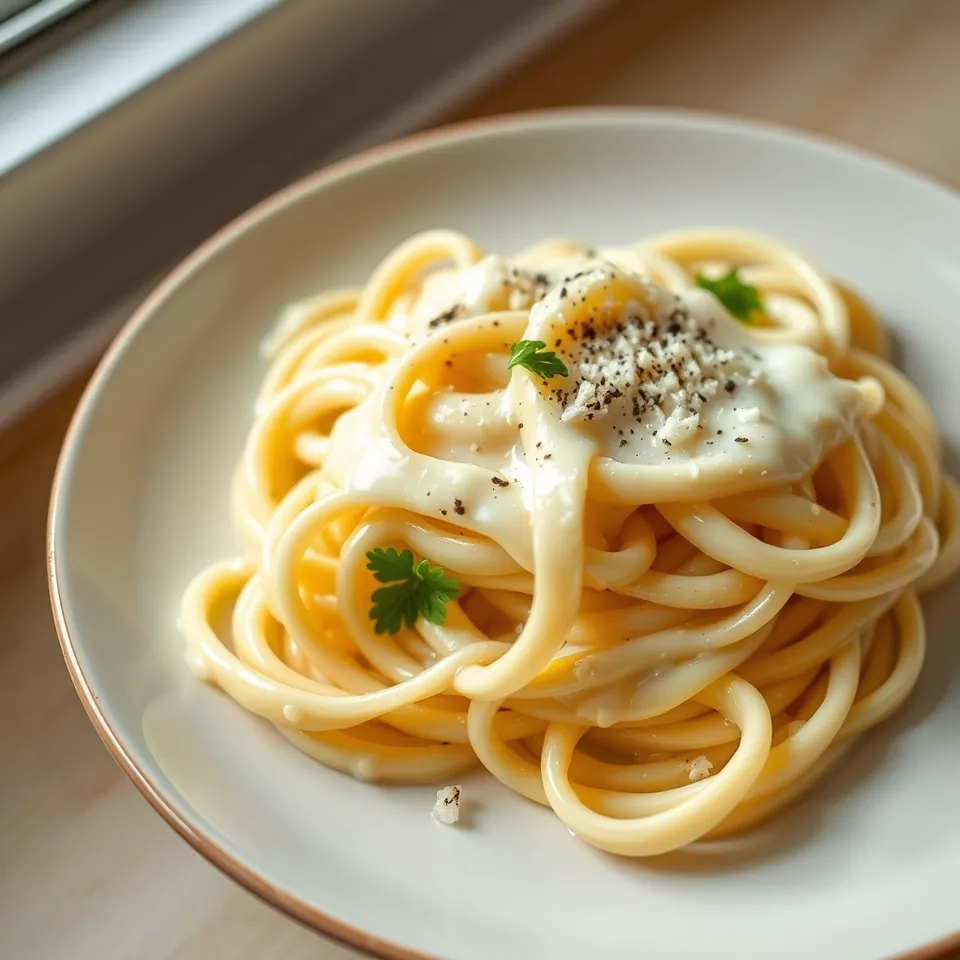
A quick Italian Alfredo sauce with butter, cream, and Parmigiano-Reggiano, plus pasta-water tips, storage guidance, and a smooth, no-boil method.
The recipe
Researched & sourced- Prep
- 10 mins
- Cook
- 5 mins
- Total
- 15 mins
- Serves
- 6
- Calories
- 205 kcal
Ingredients
Makes 6 servings
- 1/2 cup unsalted butter
- 2 cups heavy whipping cream
- 2 cups freshly grated Parmigiano-Reggiano cheese
- 2 cloves garlic, minced
- 1 cup reserved pasta water, plus more as needed
- 16 oz cooked fettuccine, for serving
Instructions
- 1
Melt the butter in a saucepan over medium-low heat, then stir in the garlic and cook for about 30 seconds until fragrant.
- 2
Add the heavy cream and warm it for 2 to 3 minutes, stirring, until it is hot but not boiling.
- 3
Whisk in the Parmesan a handful at a time and keep stirring for 2 to 4 minutes until the sauce looks smooth and starts to thicken.
- 4
Let the sauce simmer very gently for 3 to 4 minutes, whisking constantly, and thin it with reserved pasta water a little at a time if it gets too thick.
- 5
Toss the sauce with the cooked fettuccine and serve right away.
Quantities, temperatures, and times are researched from the published sources listed at the bottom of this page — never first-person kitchen tests.
This homemade Alfredo sauce is a classic butter, cream, and Parmesan finish for pasta, built for cooks who want a silky sauce that stays smooth when the heat stays gentle.
What makes this Alfredo sauce classic
This recipe makes about 2.5 cups of sauce, or 6 servings, and it lands at 205 calories per serving. That is enough for a proper pasta dinner without drifting into a heavy cream gravy.
| Cue | Classic homemade Alfredo | Thicker copycat version |
|---|---|---|
| Fat and dairy | 1/2 cup butter, 2 cups cream, and 2 cups Parmigiano-Reggiano | Some versions add flour and whole milk |
| Heat | Gentle simmer, not a boil | A thicker sauce can handle more structure, but it moves away from the classic base |
| Garlic | 2 cloves in the brief recipe | 3 to 5 cloves in a more assertive version |
The table shows the choice the brief makes: keep the sauce centered on butter, cream, and fresh cheese instead of turning it into a flour-thickened imitation.
Use the butter-cream-Parmesan base
Belly Full’s version is the closest fit for this brief because it uses 1/2 cup butter, 2 cups heavy cream, and 2 cups freshly grated Parmigiano-Reggiano. That combination gives the sauce enough body to coat pasta without needing flour.
Other sources pull the ratio in different directions. The Gracious Wife uses 6 tablespoons butter, 2.5 cups whole milk, 1 cup heavy cream, 1 cup Parmesan, 0.5 cup Romano, and 3 tablespoons flour, which is a thicker copycat lane rather than a classic homemade Alfredo sauce. xoxoBella also leans a little lighter on cheese, using 1.5 cups Parmesan and 1.5 cups cream, so the range of published versions is wider than the clean three-part base here.
Stop before the sauce boils
The sauce stays smooth when the heat stays low. Garlic only needs about 30 seconds to turn fragrant, the cream warms for 2 to 3 minutes, the cheese thickens in 2 to 4 minutes, and the finish settles into a gentle simmer for 3 to 4 minutes.
That sequence matters more than speed. If the pan boils, the dairy can tighten and the cheese can turn grainy; if the pan only nudges the sauce toward a simmer, the emulsion has time to come together.
Ingredient notes and easy variations
The ingredient list is short on purpose, but the short list still leaves room for a few controlled changes. The safest adjustments keep the butter-cream-cheese spine intact and change only the garlic level or the cheese blend.
Garlic choices
If a more assertive garlic note sounds better, xoxoBella uses 3 to 5 cloves. The brief’s version stays at 2 cloves, which keeps the garlic in the background and lets the Parmesan lead.
That is the main flavor decision in this sauce. More garlic pushes the recipe toward a bolder copycat feel, while a smaller amount stays closer to the classic restaurant-style finish people expect from Alfredo.
Classic versus copycat Alfredo
A classic homemade Alfredo sauce is mostly a dairy-and-cheese story, while copycat versions often add flour or extra milk to mimic a chain-restaurant texture. The Gracious Wife’s ingredient list shows that difference clearly with flour and whole milk beside the richer dairy base.
If the goal is a smooth sauce for a dinner plate, the simpler route is easier to manage. If the goal is a thicker copycat, that path can work, but it asks for more stirring and gives less room to use the sauce as a light coating.
How to serve it
This sauce is sized to coat 16 ounces of cooked fettuccine, and the sources show why that range matters: one version says it comfortably coats about 8 ounces, while another says it can cover 12 to 16 ounces depending on how saucy the cook wants the bowl to feel.
That spread is useful, not confusing. A looser coat makes the pasta feel more restaurant-like, while a heavier coat turns the same sauce into a richer dinner.
Toss with pasta
Add the cooked pasta to the pan and toss until every strand looks glossy. The sauce should cling, not pool, because the final texture is what makes Alfredo feel finished instead of merely mixed.
If the pasta was salted well, the sauce usually needs less correction than a plain cream sauce would. The cheese and butter already do most of the work.
Thin the sauce with reserved pasta water
Reserved pasta water is the easiest way to loosen a sauce that tightens on the stove. The brief keeps 1 cup on hand, then lets the cook add it a little at a time until the sauce relaxes.
That starchy water helps the sauce stay emulsified, so the finish looks glossy rather than oily. It also gives the cook a built-in adjustment for different pasta shapes, pan sizes, and how long the sauce sat before serving.
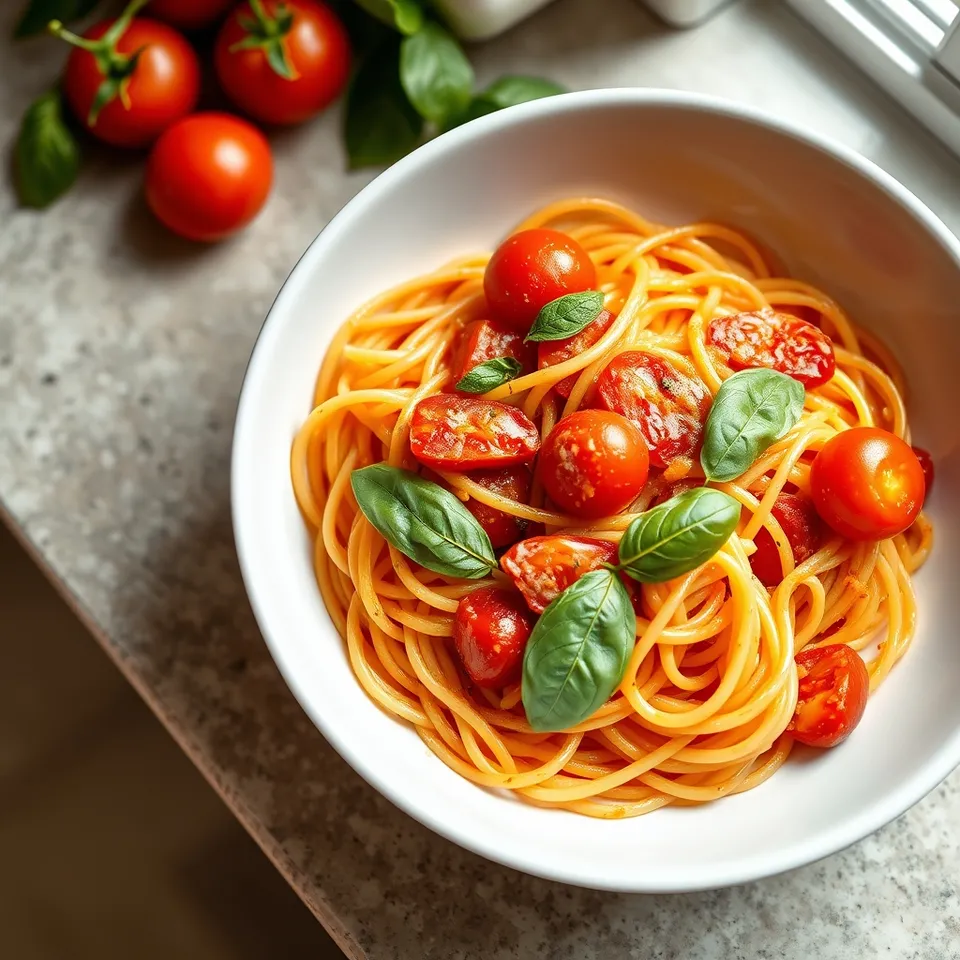
For another Italian dinner idea, try the tomato basil pasta or browse the dinner recipes hub.
Storage and reheating
Homemade Alfredo sauce is best treated like a short-window leftover. Belly Full says it keeps up to 4 days, xoxoBella gives a 3 to 4 day window, and The Gracious Wife also lands on 3 to 4 days.
The safety window matters too. The FDA says refrigerators should hold at 40°F or below, and leftovers should go back in within 2 hours of cooking or within 1 hour when the temperature is above 90°F.
Refrigerate promptly
Move the sauce into an airtight container as soon as it cools enough to handle. A short rest on the counter is fine; leaving it out long enough to lose track of time is not.
If the sauce will sit before serving, keep it warm only briefly and do not let it drift into a boil. The texture is better when the dairy stays calm from start to finish.
Reheat sauces to a boil
For reheating, the FDA says sauces should come back to a boil, and leftovers should reach 165°F for a clear hot-hold cue. In practice, that means gentle heat, steady stirring, and enough time for the center to heat through.
If the sauce tightens as it warms, a little reserved pasta water brings it back. That is the same adjustment that helps the sauce at dinner, so the leftover bowl keeps the same logic as the fresh one.
Frequently asked questions
Why did my Alfredo sauce turn grainy or separate?
Homemade Alfredo sauce usually turns grainy when the heat gets too aggressive or the cheese goes in too fast. Keep the pan at a gentle simmer, whisk the Parmesan in gradually, and thin the sauce with reserved pasta water if it tightens.
Can I make Alfredo sauce without garlic or with a different cheese?
Homemade Alfredo sauce still works without garlic, and the sauce stays closer to the classic butter-cream-Parmesan profile. If a stronger cheese note is the goal, richer copycat-style versions add Romano alongside Parmesan, but that shifts the flavor away from the simpler base.
How long does homemade Alfredo sauce keep in the fridge?
Homemade Alfredo sauce keeps for 3 to 4 days in the refrigerator when stored in an airtight container. Keep the fridge at 40°F or below and refrigerate leftovers within 2 hours of cooking.
How do I reheat Alfredo sauce without breaking it?
Reheat Alfredo sauce gently, then bring it to a boil when you want the FDA's reheating cue for sauces. If you need a food-safety target for leftovers, the safe internal temperature is 165°F.