Make-Ahead French Toast Casserole
 By Amara Okafor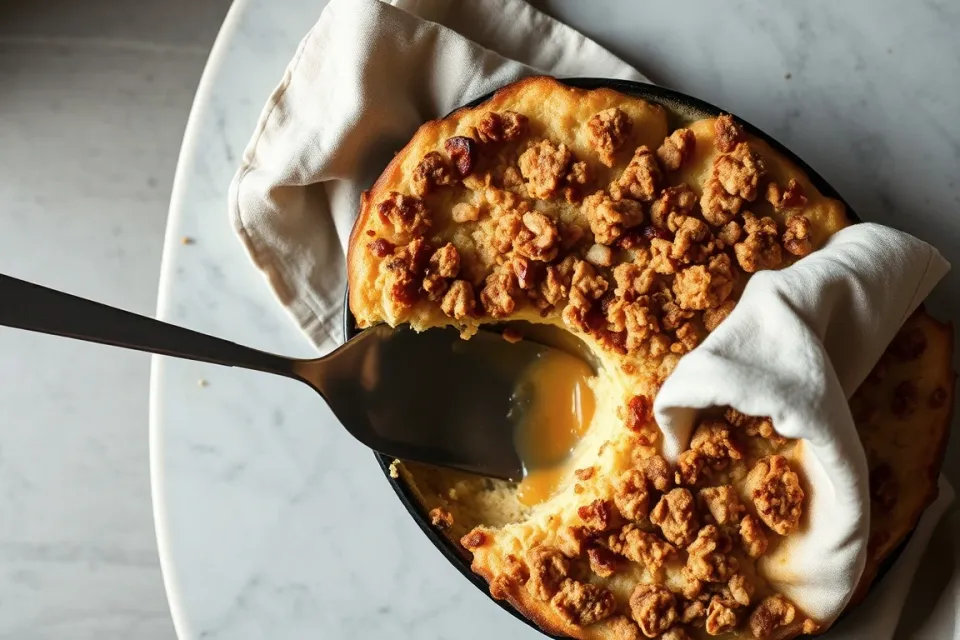
Make-ahead French toast casserole: bread soaked in a vanilla egg custard overnight, topped with a buttery brown-sugar crumble, and baked until golden.
The recipe
Researched & sourced- Prep
- 15 mins
- Cook
- 45-60 mins
- Total
- 5 hours 15 mins
- Serves
- 8
- Calories
- 564 kcal
Ingredients
Makes 8 servings
- 1 (24-ounce) loaf sourdough, brioche, challah, or French bread, cut into 1-inch cubes
- 8 large eggs
- 2 cups milk
- 1/2 cup heavy cream
- 3/4 cup granulated sugar
- 1 tablespoon vanilla extract
- 1/2 cup packed light brown sugar (for the crumble topping)
- 1/2 cup all-purpose flour (for the crumble topping)
- 1/2 cup cold unsalted butter, cut into pieces (for the crumble topping)
Instructions
- 1
Grease a 9x13-inch baking dish and scatter the bread cubes evenly across the bottom.
- 2
In a large bowl, whisk together the eggs, milk, heavy cream, granulated sugar, and vanilla extract until smooth, then pour the custard evenly over the bread, pressing the cubes down so they begin to soak up the liquid.
- 3
Cover the dish and refrigerate for at least 4 hours, or overnight, so the bread fully absorbs the custard.
- 4
Preheat the oven to 350°F. In a small bowl, cut the cold butter into the brown sugar and flour until the mixture forms coarse crumbs, then sprinkle the crumble evenly over the soaked bread.
- 5
Bake uncovered for 45-60 minutes, until the top is puffed and golden and an instant-read thermometer inserted into the center registers 160°F.
- 6
Let the casserole rest for a few minutes before slicing and serving.
Quantities, temperatures, and times are researched from the published sources listed at the bottom of this page — never first-person kitchen tests.
Make-ahead French toast casserole turns a buttery egg custard into a hands-off breakfast: cubed bread soaks overnight in a vanilla custard, then bakes under a brown-sugar crumble for a golden, custardy center.
Why this French Toast Casserole works
French toast casserole replaces the stovetop griddle with a single baking dish, so an entire breakfast can be assembled the night before and finished in the oven while the coffee brews. The method hinges on a long, cold soak: the assembled dish rests in the refrigerator for at least 4 hours, or overnight, which gives the bread time to drink in the custard evenly and keeps the center soft rather than dry. Because it bakes unattended, the casserole scales to a crowd far more easily than cooking individual slices in batches.
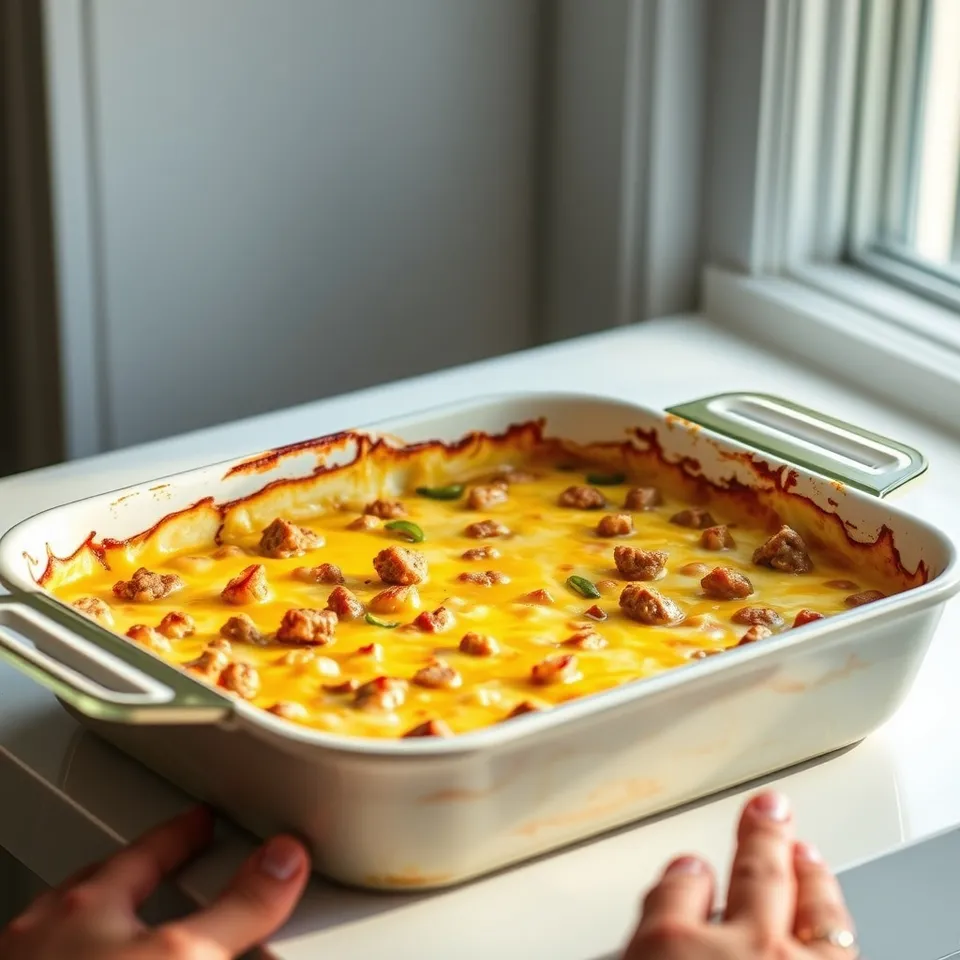
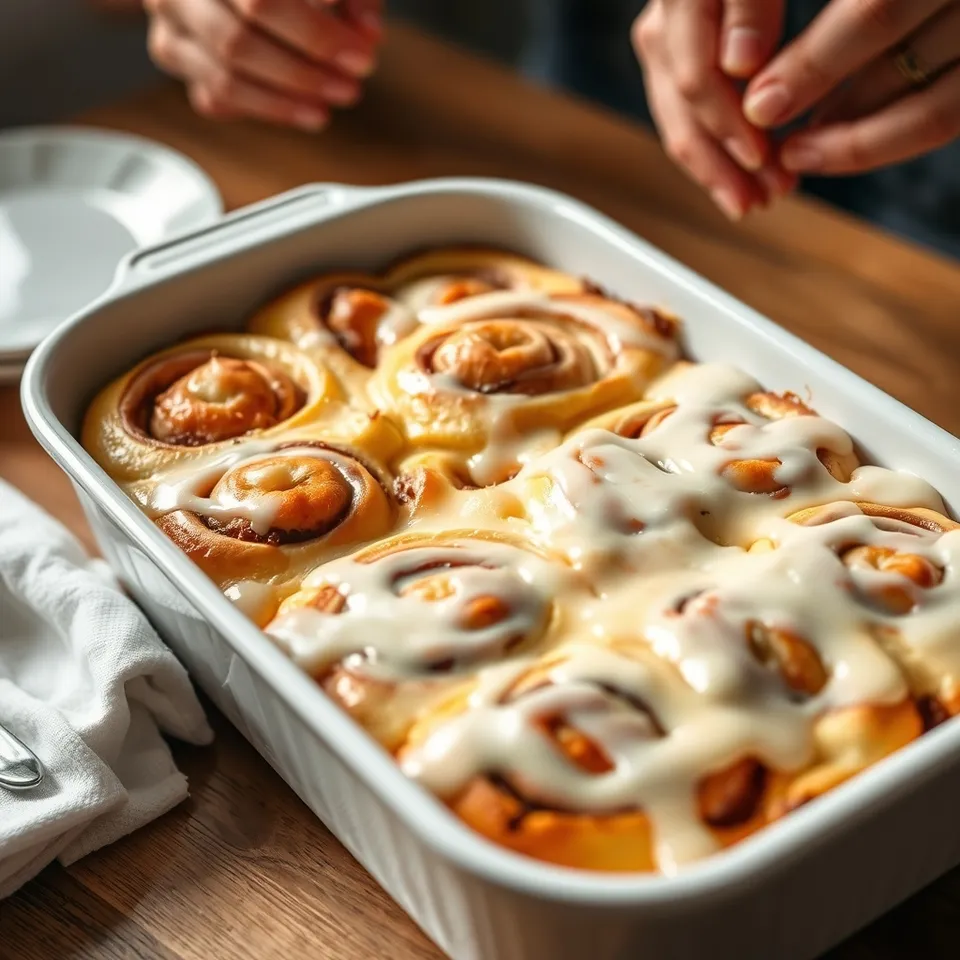
The front-loaded structure is the same idea behind the overnight cinnamon roll breakfast casserole: do the messy work the night before, and the oven finishes the dish while guests arrive.
The best bread for French toast casserole
Stale vs. fresh bread
French toast casserole rewards bread that is sturdy and slightly dry, because an open-crumbed loaf absorbs the custard without collapsing into mush. The recipe calls for a 24-ounce loaf of sourdough, brioche, challah, or French bread cut into cubes. A fresh, soft sandwich loaf releases too much moisture and tends to turn gummy as it soaks, while a day-old or lightly dried loaf holds its shape and lets the custard reach the middle.
Brioche, challah, or sourdough?
Brioche and challah bring richness and a tender, eggy crumb; sourdough brings a slight tang and a firmer bite; and French bread sits between the two. Some published versions scale down to a 16-ounce loaf of bread, but the fuller 24-ounce loaf is what fills a 9x13-inch baking dish without leaving the custard too loose to set.
The custard ratio, explained
The custard is what separates a casserole from plain French toast, and the ratio of eggs to dairy decides whether the center sets firm or stays runny. The recipe whisks 8 large eggs with 2 cups of milk and 1/2 cup of heavy cream, sweetened with 3/4 cup of granulated sugar and finished with a tablespoon of vanilla extract. Eggs provide the structure, milk keeps the custard pourable, and the cream adds enough fat for a rich, tender middle.
Half-and-half is the most common swap: some baked French toast recipes use a full 2 cups of half-and-half in place of the milk and cream. Because half-and-half carries more fat than whole milk but less than heavy cream, it produces a custard that is a touch richer and softer than the milk-and-cream version.
The safe internal temperature (and how to test it)
Recipe cards disagree sharply on how hot and how long to bake a French toast casserole — from 25-30 minutes at 425°F to 60 to 70 minutes in a cooler oven — and none of them settles the question with a doneness test. A thermometer does. The FDA advises cooking casseroles and other dishes containing eggs to 160°F, and the USDA’s safe-temperature chart lists 160°F as the safe minimum for eggs. The foodsafety.gov chart sets the same 160°F figure for egg dishes such as frittatas and quiches.
The higher 165°F and 165°F figures are the USDA and foodsafety.gov targets for casseroles generally, but for an egg-based French toast bake the food-safe test is 160°F at the center. Insert an instant-read thermometer into the middle of the casserole; when it registers 160°F, the eggs are set. This recipe bakes at 350°F for 45-60 minutes, until the top is puffed and golden.
How to store, freeze, and reheat
Leftover French toast casserole keeps in the refrigerator for 3 to 4 days, and recipe sources cite the same 3-4 days when the casserole is stored airtight. Refrigerate it promptly at 40°F or below, and never leave cooked egg dishes at room temperature for more than 2 hours.
For longer storage, wrap the cooled casserole tightly and freeze it for up to 2 months; other sources report it freezes well for up to 3 months. Thaw overnight in the refrigerator, then reheat thoroughly to 165°F before serving — the FDA’s reheating target for cooked eggs and egg dishes.
Variations: praline, pecans, and make-ahead swaps
A brown-sugar caramel base turns the dish into a praline casserole: spread 1 cup of packed brown sugar across the bottom of the baking dish before adding the bread, and scatter 1 cup of chopped pecans over the top for crunch. For a smaller batch, an 8x8-inch dish works in a pinch, baked at 325°F instead of 350°F.
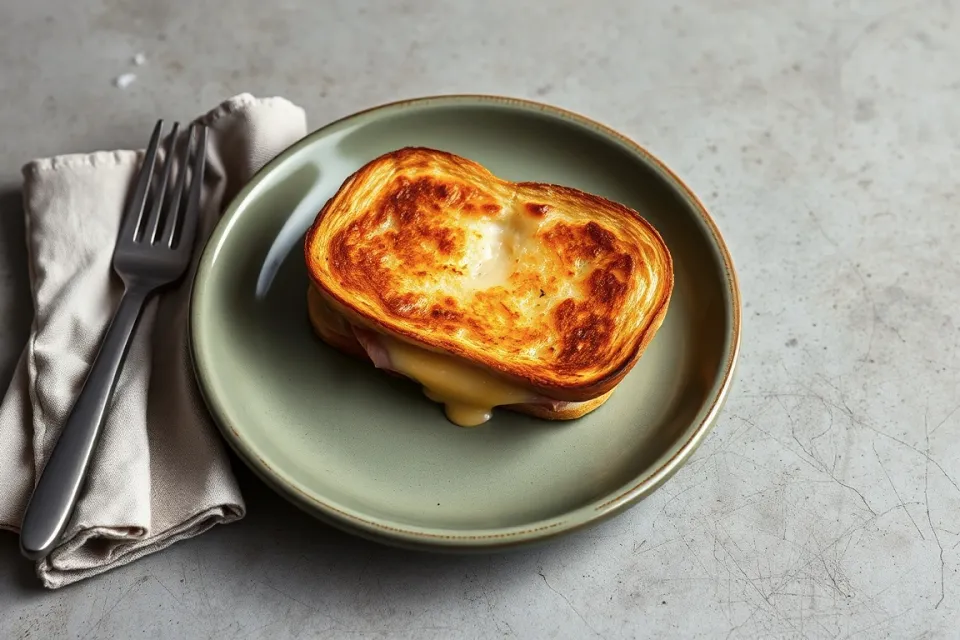
Short on time? A 30-minute soak at room temperature lets the bread absorb enough custard for same-day baking. For a heartier holiday table, serve the casserole beside the honey glazed ham or alongside a savory Bisquick breakfast casserole with sausage.
Frequently asked questions
Can I make French toast casserole the night before?
Yes. The assembled French toast casserole can be covered and refrigerated for at least 4 hours or overnight, which is exactly what gives the bread time to absorb the custard. Baking it straight from the refrigerator the next morning works well.
How do I know when French toast casserole is done?
The French toast casserole is done when an instant-read thermometer inserted into the center registers 160°F, the FDA's safe temperature for casseroles and other dishes containing eggs. The top should also be puffed and golden, which at 350°F usually takes 45-60 minutes.
What is the best bread for French toast casserole?
A sturdy, slightly dry loaf works best for French toast casserole because it absorbs the custard without turning to mush. The recipe calls for a 24-ounce loaf of sourdough, brioche, challah, or French bread cut into cubes.
Can you freeze French toast casserole?
Yes. Once baked and cooled, French toast casserole can be wrapped tightly and frozen for up to 2 months, and some versions keep well for up to 3 months. Thaw and reheat it thoroughly to 165°F before serving.
How long do leftovers keep in the refrigerator?
Leftover French toast casserole keeps in the refrigerator for 3 to 4 days when stored in a covered dish. Reheat individual portions to 165°F before serving, and never leave the cooked casserole at room temperature for more than 2 hours.
Sources
- https://lilluna.com/french-toast-bake/
- https://www.fda.gov/food/buy-store-serve-safe-food/what-you-need-know-about-egg-safety
- https://www.foodsafety.gov/food-safety-charts/safe-minimum-internal-temperatures
- https://www.fsis.usda.gov/food-safety/safe-food-handling-and-preparation/food-safety-basics/safe-temperature-chart
- https://enwnutrition.com/brioche-french-toast-casserole/
- https://www.pauladeen.com/recipe/baked-french-toast-casserole/
- https://belleofthekitchen.com/french-toast-casserole/
- https://freshaprilflours.com/make-ahead-overnight-french-toast-casserole/
- https://www.chefdenise.com/all/maple-pecan-french-toast-casserole