Air Fryer Salmon (Juicy, Flaky, Ready in Under 10 Minutes)
 By Amara Okafor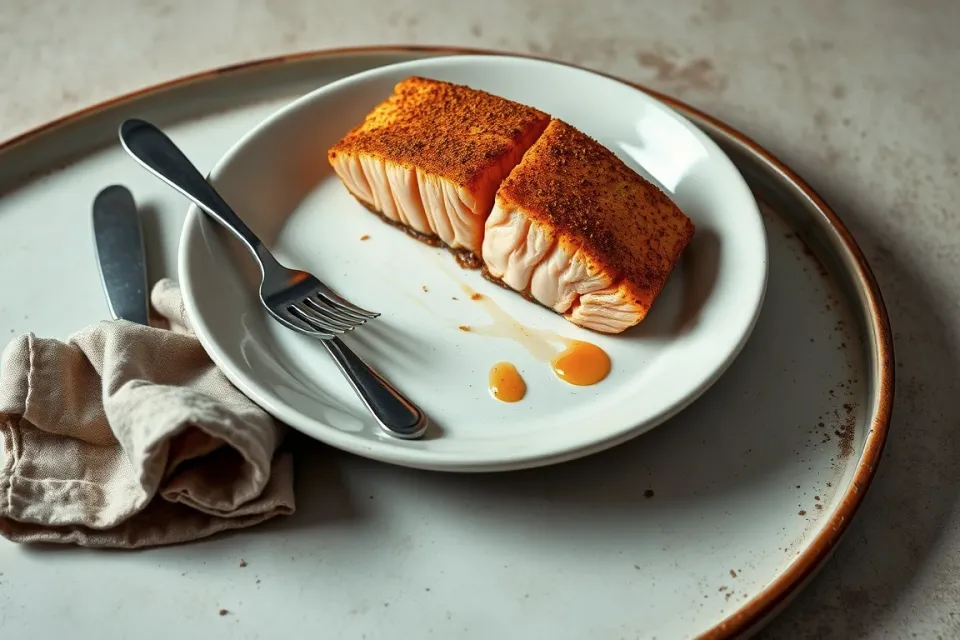
Learn how to cook juicy, flaky air fryer salmon in under 10 minutes. A simple spice rub, a 400°F air fry, and a 145°F finish — plus storage and thawing tips.
The recipe
Researched & sourced- Prep
- 5 mins
- Cook
- 7-9 mins
- Total
- 12-14 mins
- Serves
- 4
- Calories
- 276 kcal
Ingredients
Makes 4 servings
- 4 (6-ounce) salmon fillets, skin on or off
- 1 tablespoon olive oil
- 1 teaspoon garlic powder
- 1/2 teaspoon paprika
- 1/2 teaspoon fine salt
- 1/2 teaspoon black pepper
- Lemon wedges, for serving
Instructions
- 1
Preheat the air fryer to 400°F for 2 to 3 minutes.
- 2
Pat the salmon fillets dry with paper towels, then brush them all over with the olive oil.
- 3
In a small bowl, stir together the garlic powder, paprika, salt, and black pepper, then sprinkle the mixture evenly over the fillets.
- 4
Place the fillets in a single layer in the air fryer basket, skin side down if the fillets have skin, leaving a little space between them.
- 5
Air fry at 400°F for 7 to 9 minutes, depending on thickness, until the salmon reaches an internal temperature of 145°F and the flesh is no longer translucent and flakes easily with a fork.
- 6
Rest the salmon for 2 minutes, then serve with lemon wedges.
Quantities, temperatures, and times are researched from the published sources listed at the bottom of this page — never first-person kitchen tests.
Air fryer salmon cooks four 6-ounce fillets in a single basket at 400°F for 7 to 9 minutes, until the center reads 145°F and the flesh flakes with a fork — a juicy, flaky dinner in under 10 minutes.
Why Air Fryer Salmon Works
An air fryer works by forcing hot air around a compact basket, so food browns and crisps without the long preheat a full oven needs. For salmon, that translates to a lightly caramelized surface over a center that stays tender and moist. Salmon is an ideal candidate: its fillets are thin enough to cook through in minutes, and the skin or outer edge crisps where the moving air hits it first.
Set the air fryer to 400°F and give it a quick 2 to 3 minutes to preheat. At that temperature, a 6-ounce fillet cooks through in 7 to 9 minutes, depending on thickness — faster than waiting for a preheated oven to come to temperature and finish the job.
Why the air fryer beats the oven for salmon
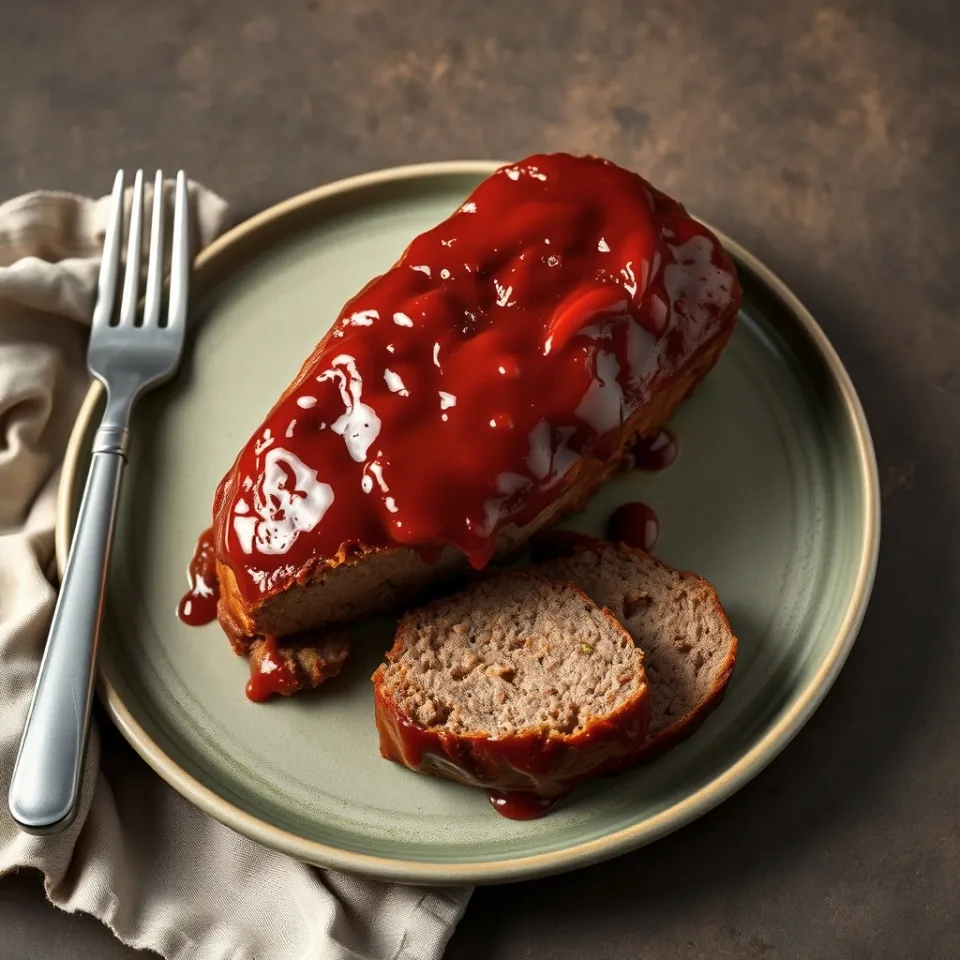
Speed is the real advantage for a lean fillet like salmon. Short, high-heat cooking leaves less time for moisture to escape, so the fish finishes flaky rather than dry, and the brief cook means the fish never sits and steams. The same quick-preheat, hot-basket approach powers Air Fryer Meatloaf, another weeknight dinner built on the air fryer’s fast, even heat.
How to Tell When Air Fryer Salmon Is Done
The surest way to land flaky, never-dry salmon is a probe thermometer slipped into the thickest part of the fillet. Two numbers show up across recipes, and they mean two different things.
The 145°F safe finish
Food-safety sources agree on the safe finish: cook fish to an internal temperature of 145°F. The USDA’s safe-temperature chart lists 145°F for fish and shellfish, and the FDA states that most seafood should be cooked to an internal temperature of 145°F. If you are cooking without a thermometer, the same sources give the visual cue — the flesh is no longer translucent and separates easily with a fork.
When a 125–130°F medium center is fine
Some recipes pull salmon earlier, around 125 to 130°F, for a rosier medium center. That number is a preference for texture, not the food-safety finish. If you are feeding anyone who wants the most cautious result, keep cooking until the center reaches 145°F.
Seasoning and Glaze Variations
The base recipe leans on a simple dry rub of garlic powder, paprika, salt, and black pepper brushed onto olive-oiled fillets. Both variations below keep the same 400°F basket and 7 to 9 minutes timing — they change only the crust.
Brown-sugar cornstarch crust
For a crackly, caramelized crust, stir together 1 tablespoon brown sugar, 1 teaspoon cornstarch, and 3/4 teaspoon coarse kosher salt, then toss the fillets with 2 to 3 teaspoons avocado or olive oil before coating them in the mixture. The cornstarch dries the surface so it crisps, and the sugar browns in the hot air. Because sugar scorches quickly at 400°F, rub or brush any sticky glaze on in the final couple of minutes rather than at the start — the same watch-the-sugar advice behind Honey Glazed Ham.
Smoked paprika rub
For a smokier, deeper finish, swap the sweet paprika in the base rub for 1/2 teaspoon smoked paprika and keep everything else unchanged. The smoked paprika brings a campfire note that stands up to salmon’s rich flesh.
How to Store and Reheat Leftover Salmon
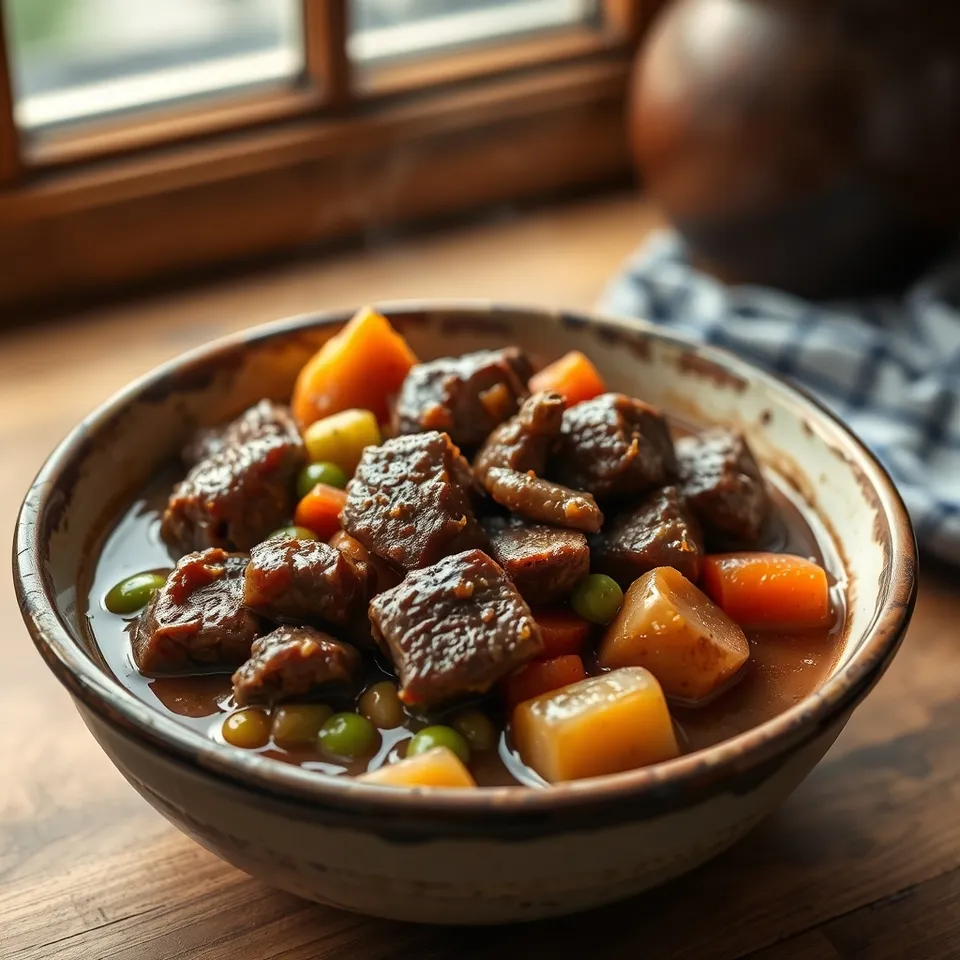
Cool leftover air fryer salmon completely, then pack it into an airtight container in the refrigerator, where it keeps for up to 3 days. To store it longer, freeze the fillets in an airtight container or freezer bag for up to 3 months. Reheat gently — salmon is lean, so high, prolonged heat dries it out — the way you would warm the leftovers from Classic Beef Stew. Flaked cold salmon also works in salads and grain bowls.
Buying, Storing, and Thawing Salmon Safely
Salmon is perishable, and the raw fillet deserves the same care as the cooked one. Keep raw salmon in a clean refrigerator at 40°F or below, and use it within 2 days of purchase. Never leave salmon or any other perishable food out of the refrigerator for more than 2 hours.
For frozen salmon, thaw it gradually by placing it in the refrigerator overnight. And if salmon is a regular on your menu, note the FDA’s guidance that women who are pregnant or breastfeeding should eat 8 to 12 ounces of a variety of lower-methylmercury fish each week.
Frequently asked questions
How long do I cook salmon in the air fryer?
Cook air fryer salmon at 400°F for 7 to 9 minutes, depending on the thickness of the fillets. Give the basket a quick 2 to 3 minutes to preheat before the salmon goes in.
What internal temperature should air fryer salmon reach?
Cook air fryer salmon to an internal temperature of 145°F, the safe minimum the USDA and FDA set for fish. Without a thermometer, the salmon is ready when the flesh is no longer translucent and separates easily with a fork.
Can I cook frozen salmon in the air fryer?
Thaw frozen salmon gradually by placing it in the refrigerator overnight before air frying. From there, cook air fryer salmon at 400°F for 7 to 9 minutes until it reaches 145°F.
How do I store leftover air fryer salmon?
Cool leftover air fryer salmon completely and store it in an airtight container in the refrigerator for up to 3 days. To keep it longer, freeze the fillets in an airtight container for up to 3 months.
Sources
- https://www.foodsafety.gov/food-safety-charts/safe-minimum-internal-temperatures
- https://www.fsis.usda.gov/food-safety/safe-food-handling-and-preparation/food-safety-basics/safe-temperature-chart
- https://www.fda.gov/food/buy-store-serve-safe-food/selecting-and-serving-fresh-and-frozen-seafood-safely
- https://feelgoodfoodie.net/recipe/air-fryer-salmon/
- https://pinchofyum.com/air-fryer-salmon
- https://nutritiontofit.com/easy-air-fryer-salmon/
- https://www.gimmesomeoven.com/air-fryer-salmon/