Classic Shrimp Scampi (Garlic Butter White Wine Sauce)
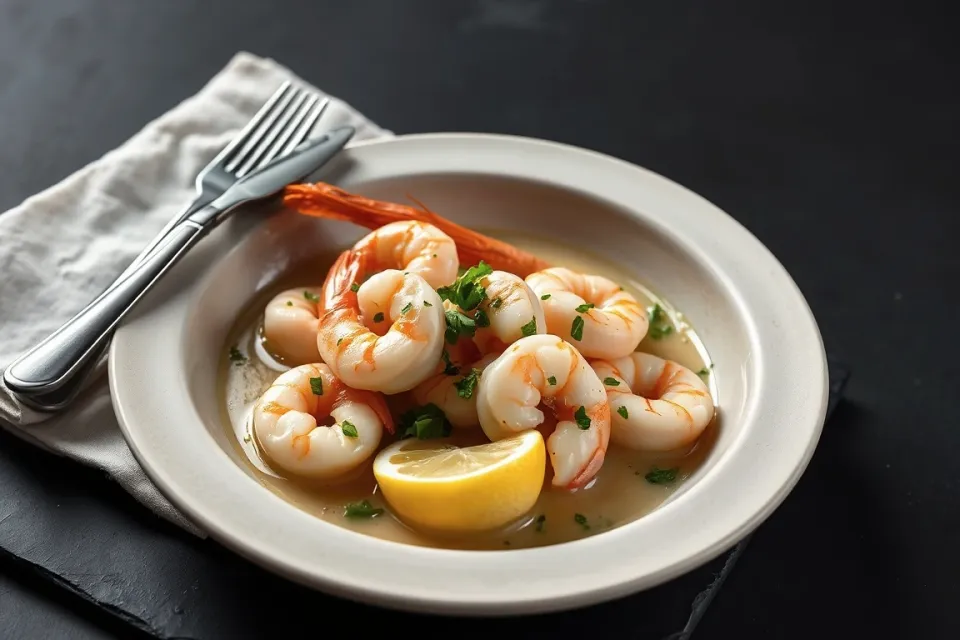
Tender shrimp in a garlicky butter, white wine and lemon sauce, ready in 15 minutes. Includes the 145°F doneness rule, wine-free and baked swaps, and safe storage tips.
The recipe
Researched & sourced- Prep
- 5 mins
- Cook
- 10 mins
- Total
- 15 mins
- Serves
- 4
- Calories
- 323 kcal
Ingredients
Makes 4 servings
- 1 3/4 pounds large or extra-large shrimp, peeled and deveined
- 4 garlic cloves, minced
- 2 tablespoons olive oil
- 2 tablespoons unsalted butter
- 1/2 cup dry white wine (or low-sodium broth)
- 2 tablespoons fresh lemon juice
- 1/3 cup chopped fresh parsley
- 1/8 teaspoon crushed red pepper flakes
- 3/4 teaspoon kosher salt, or to taste
Instructions
- 1
Pat the shrimp dry with paper towels and season with 3/4 teaspoon kosher salt.
- 2
Heat 2 tablespoons olive oil and 2 tablespoons butter in a large skillet over medium-high heat until the butter melts and begins to foam.
- 3
Add the minced garlic and 1/8 teaspoon red pepper flakes and sauté until fragrant, about 1 minute, without browning the garlic.
- 4
Add the shrimp in a single layer and sauté until they just turn pink, 2 to 4 minutes, flipping once halfway through.
- 5
Pour in 1/2 cup dry white wine and let it reduce by half, about 2 minutes.
- 6
Stir in 2 tablespoons lemon juice and 1/3 cup chopped parsley.
- 7
Cook until the shrimp are firm, pearly, and opaque — 145°F on an instant-read thermometer — then serve immediately.
Quantities, temperatures, and times are researched from the published sources listed at the bottom of this page — never first-person kitchen tests.
Shrimp scampi is a garlicky, buttery Italian-American skillet dinner of plump shrimp tossed in a white-wine and lemon pan sauce, ready in about 15 minutes. Large shrimp, a hot pan, and a fast sauce keep it tender and glossy rather than rubbery.
Why Shrimp Scampi Is the Ultimate 15-Minute Dinner
Shrimp scampi is the Italian-American classic of shellfish sautéed in garlic, butter, white wine, and lemon, and it is built for speed. The New York Times’ classic version lists a total time of 15 minutes, while Cafe Delites’ garlic-butter take finishes in about 10 minutes, fast enough for a weeknight dinner.
Shrimp size does more for the dish than any sauce step. Large shrimp run about 31 to 40 shrimp per pound, a count that sears quickly at high heat and stays tender instead of toughening. That is why this fast skillet method — built on 1 3/4 pounds of large shrimp in a hot pan — beats the slow baked casseroles still ranking at the top of search results, which trade a quick pan sauce for a long oven bake.
Building the Garlic-Butter-Wine Sauce
The sauce starts with a fat that will not scorch. Melted unsalted butter and olive oil go into a large skillet together — 2 tablespoons of butter and 2 tablespoons of olive oil — so the oil raises the smoke point while the butter adds richness. The result is a skillet hot enough to sear shrimp without burning the butter.
Garlic goes in next, and briefly. Four minced cloves are sautéed just until fragrant, about 1 minute, before the shrimp and wine join the pan, because garlic that browns turns bitter and drags the whole sauce with it. A pinch of crushed red pepper flakes, 1/8 teaspoon, and 3/4 teaspoon of kosher salt season the pan at the same time.
White wine is the backbone, but only after it concentrates. Pour in 1/2 cup of dry white wine and let it reduce by half, about 2 minutes, which boils off the alcohol and intensifies the flavor while giving the sauce body. Lemon juice and parsley go in last — 2 tablespoons of lemon and 1/3 cup of chopped parsley — so their brightness does not cook away. The whole dish lands around 323 calories per serving, a figure that covers the shrimp and sauce alone.
How to Know When Shrimp Is Done (Don’t Overcook)
Shrimp cook so fast that the doneness signal matters more than the timer. Sautéed in a single layer over medium-high heat, the shrimp take about 2 to 4 minutes to just turn pink — roughly 1 to 2 minutes per side before flipping.
The reliable test is visual, and it is the one the ranking recipes skip. The FDA describes properly cooked shrimp as firm, pearly, and opaque, and foodsafety.gov gives the same cue as pearly or white, and opaque. For an objective check, an instant-read thermometer in the thickest shrimp should read 145°F, the safe minimum internal temperature for most seafood.
Pull the shrimp the moment they hit that point. They keep cooking from residual heat, so stopping at opaque and 145°F is what keeps shrimp scampi tender and glossy instead of rubbery.
Variations: Pasta, Baked, and Wine-Free
Over Angel Hair Pasta
Serve shrimp scampi over a bed of angel hair pasta for a fuller dinner. The Pioneer Woman’s version pairs the shrimp with 8 ounces of angel hair pasta and a shower of 1/2 cup of grated parmesan, which melts into the garlicky sauce as it tosses. The fast skillet method is the same; only the serving base changes.
Baked Shrimp Scampi
For a casserole-style version, a baked dish works too. Food.com’s classic baked shrimp scampi preheats the oven to 350°F and bakes for 7 to 10 minutes, using a richer 1 cup of white wine and 1/2 cup of melted butter rather than the skillet’s leaner sauce. A light dusting of paprika, about 2 teaspoons in Food.com’s easy version, adds color and a gentle warmth to the baked dish.
Without Wine
If you do not cook with wine, swap it one-for-one. The New York Times’ classic recipe calls for 1/2 cup of dry white wine or broth, and Cafe Delites’ version uses just 1/4 cup, so an equal measure of low-sodium chicken or vegetable broth gives the same silky sauce without the alcohol.
Storing and Reheating Leftovers Safely
Seafood needs careful handling once it is cooked. The FDA advises never leaving seafood out of the refrigerator for more than 2 hours, and the USDA’s leftover guidance is the same: refrigerate cooked shrimp scampi within 2 hours of cooking. Bacteria multiply fastest between 40°F and 140°F, so the sooner the dish is chilled, the safer it is.
Once chilled, shrimp scampi keeps in the refrigerator for 3 to 4 days, or it can be frozen for 3 to 4 months. If the shrimp are still raw, the FDA says to use fresh seafood within 2 days and store it in a clean refrigerator at 40°F or below.
Reheat leftovers gently so the shrimp do not toughen. The USDA sets 165°F as the target for reheated food on a food thermometer — a higher figure than the 145°F shrimp are cooked to the first time, because it is now a reheated leftover.
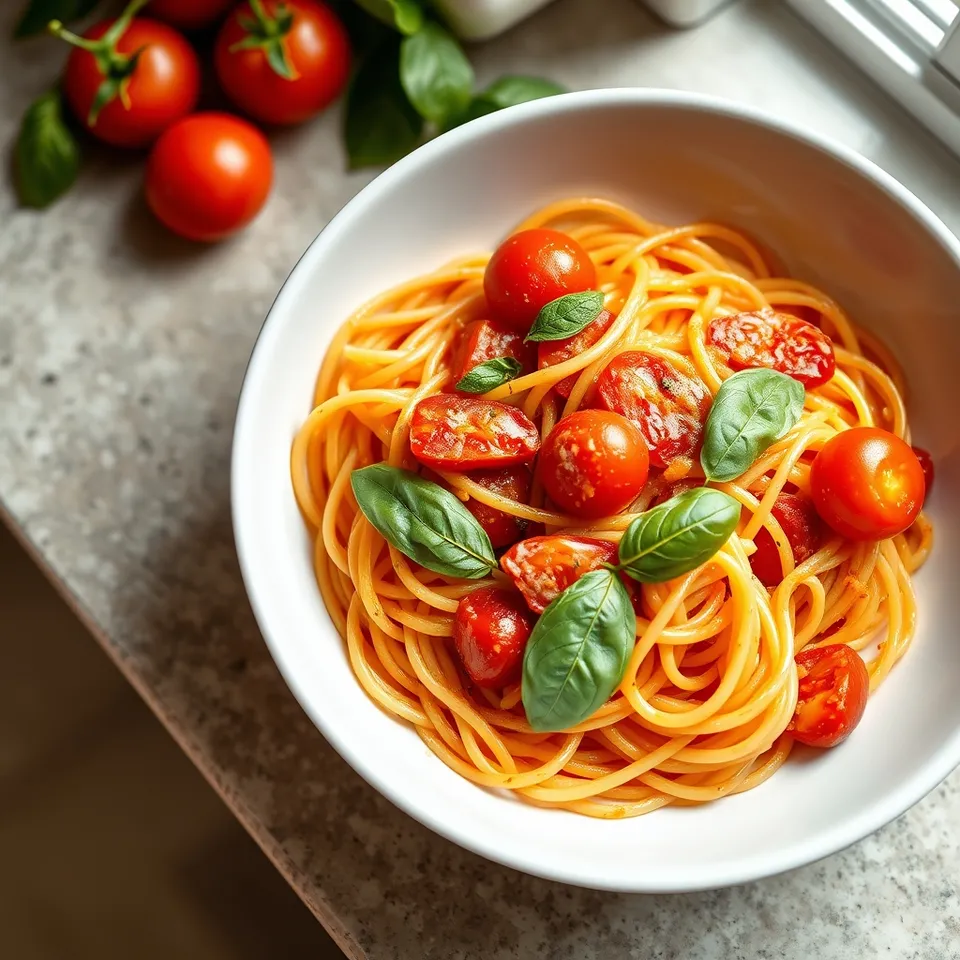
For another quick Italian skillet dinner, try the 15-Minute Tomato Basil Pasta, or for a hearty one-pan main, see the Smothered Chicken and Rice. Browse the dinner recipes hub for more weeknight mains.
Frequently asked questions
How do I know when the shrimp are done cooking?
Shrimp scampi is done when the shrimp turn firm, pearly, and opaque, the cue the FDA gives for properly cooked shrimp. For an objective check, pull the largest shrimp and confirm it reads 145°F on an instant-read thermometer, the safe minimum internal temperature for most seafood.
Can I make shrimp scampi without white wine?
Yes. This shrimp scampi calls for 1/2 cup of dry white wine, which the New York Times recipe notes can be swapped for an equal measure of broth. Low-sodium chicken or vegetable broth works, and it still reduces and deglazes the pan for the same silky sauce without the alcohol.
What size shrimp should I buy for shrimp scampi?
Choose large or extra-large shrimp for shrimp scampi. Large shrimp run about 31 to 40 shrimp per pound, a count that sears quickly at high heat and stays tender instead of overcooking into a rubbery texture.
How do I store and reheat shrimp scampi leftovers?
Refrigerate cooked shrimp scampi within 2 hours of cooking, and keep it for 3 to 4 days or freeze it for 3 to 4 months. When reheating, the USDA says leftovers should reach 165°F on a food thermometer, a higher target than the 145°F used when the shrimp are first cooked.
Can I bake shrimp scampi instead of cooking it on the stove?
Yes. A baked shrimp scampi preheats the oven to 350°F and bakes for 7 to 10 minutes, using a richer 1 cup of white wine and 1/2 cup of melted butter instead of the skillet's leaner sauce. The stovetop method is faster and keeps the shrimp from overcooking, but both work.
Sources
- https://cooking.nytimes.com/recipes/9101-classic-shrimp-scampi
- https://cafedelites.com/garlic-butter-shrimp-scampi/
- https://www.thepioneerwoman.com/food-cooking/recipes/a10039/16-minute-meal-shrimp-scampi/
- https://www.food.com/recipe/shrimp-scampi-54628
- https://www.food.com/recipe/birds-easy-shrimp-scampi-310605
- https://www.foodsafety.gov/food-safety-charts/safe-minimum-internal-temperatures
- https://www.fda.gov/food/buy-store-serve-safe-food/selecting-and-serving-fresh-and-frozen-seafood-safely
- https://www.fsis.usda.gov/food-safety/safe-food-handling-and-preparation/food-safety-basics/leftovers-and-food-safety