Croque Monsieur Recipe (French Ham and Cheese Sandwich)

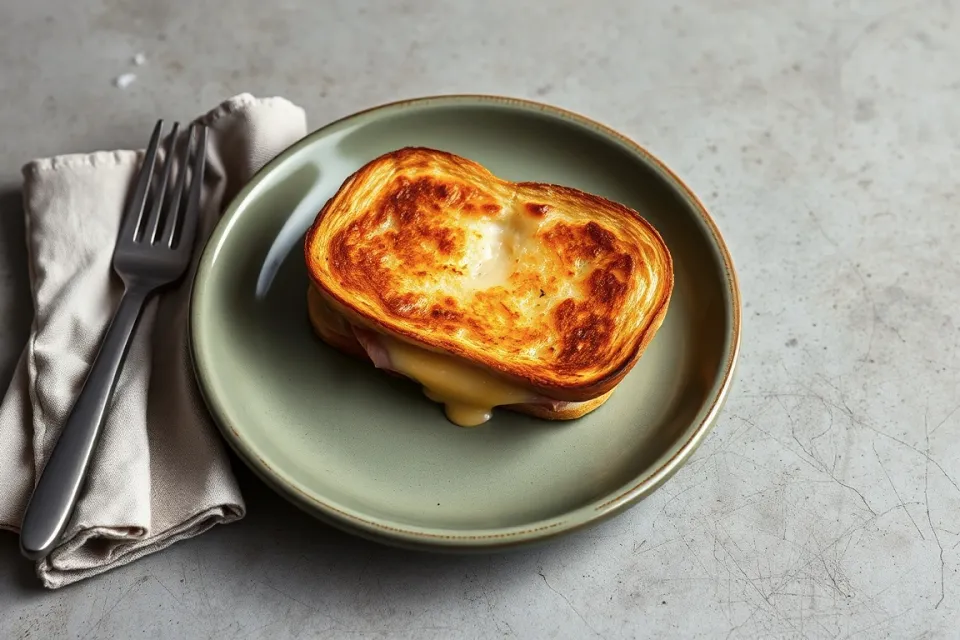
Make a bistro-style croque monsieur at home: toasted sourdough layered with ham and Gruyère, topped with a rich béchamel, baked and broiled until golden.
The recipe
Researched & sourced- Prep
- 15 mins
- Cook
- 15 mins
- Total
- 30 mins
- Serves
- 2
- Calories
- 1440 kcal
Ingredients
Makes 2 servings
- 1/2 cup milk
- 1/2 cup pure or heavy cream
- 1 1/2 tbsp (25 g) unsalted butter
- 1 1/2 tbsp plain (all-purpose) flour
- 1/8 tsp nutmeg, preferably freshly ground
- 1/4 tsp salt
- 4 slices sourdough bread, 1.5 cm / ⅗ inch thick
- 165 g (6 oz / 8 slices) Swiss or Gruyère cheese
- 120 g (4 oz) ham slices, preferably smoked
- 4 tsp Dijon mustard
- 30 g (2 tbsp) unsalted butter, for pan-frying
- 1/2 cup (packed) shredded Gruyère cheese
- 3 tbsp finely shredded Parmesan
Instructions
- 1
Make the béchamel: melt the 1 1/2 tbsp (25 g) butter in a saucepan over medium heat, whisk in the flour, then gradually whisk in the milk and cream and cook, stirring, until thickened; season with the nutmeg and salt.
- 2
Spread the Dijon mustard over the bread, then layer the ham and the Swiss or Gruyère slices between two pieces of bread to form two sandwiches.
- 3
Melt the pan-frying butter in a skillet over medium heat and cook the sandwiches until golden and crisp on both sides.
- 4
Spread the béchamel over the top of each sandwich and sprinkle with the shredded Gruyère and Parmesan.
- 5
Bake at 200°C / 390°F (180°C fan) for 15 minutes until hot through and the cheese is melted.
- 6
Switch to the broiler and broil for 3 minutes until the top is golden and bronzed.
Quantities, temperatures, and times are researched from the published sources listed at the bottom of this page — never first-person kitchen tests.
Croque monsieur is the French bistro’s hot ham-and-cheese sandwich, pan-toasted until crisp and finished under the broiler with a spoonful of creamy béchamel and bronzed Gruyère. This recipe gives exact quantities and a bake-then-broil sequence so the top turns golden without burning.
What Is a Croque Monsieur?
The name and where it comes from
A croque monsieur is a hot sandwich made with ham and cheese, and its place of origin is France. The word croque translates to “crunch”, a nod to the crisp, buttery surface the sandwich gets when it is toasted in the pan and browned under the broiler. Served in cafés and brasseries as a quick, hot lunch, it has become shorthand for a Parisian midday meal.
Classic ingredients
The classic build is short: bread, butter, ham (typically boiled), and cheese (typically Gruyère), finished with pepper and salt. Traditional recipes reach for Gruyère, though Comté or Emmental sometimes appear instead. Some brasseries also spoon béchamel sauce over the sandwich before browning it, and that creamier, topped version is the one this recipe follows.
Croque monsieur vs croque madame
The difference between the two is a single topping: a croque monsieur served with a poached or lightly fried egg on top becomes a croque madame. Everything else — the ham, the cheese, the toasted bread — stays the same, so a madame is really the same sandwich with a runny yolk to break over the top.
Choosing the Ham, Cheese, and Bread
The cheese: Gruyère, Comté, or Emmental
Gruyère is the traditional cheese for a croque monsieur, chosen for the way it melts into a stretchy layer and browns without splitting. This recipe layers the sandwiches with 165 g (6 oz / 8 slices) of Swiss or Gruyère, then tops them with a packed 1/2 cup of shredded Gruyère and 3 tablespoons of finely shredded Parmesan. Comté or Emmental can step in for the Gruyère when that is what is on hand.
Ham: ready-to-eat vs cook-before-eating
The ham is the one ingredient worth checking the label on. Ready-to-eat hams, which include prosciutto and cooked hams, can be eaten straight from the package, so they only need to warm through in the sandwich. Cook-before-eating hams and fresh hams are a different case: they must reach 145°F, followed by a 3-minute rest, before they touch the bread. This recipe uses 120 g (4 oz) of ready-to-eat ham slices, preferably smoked.
The bread
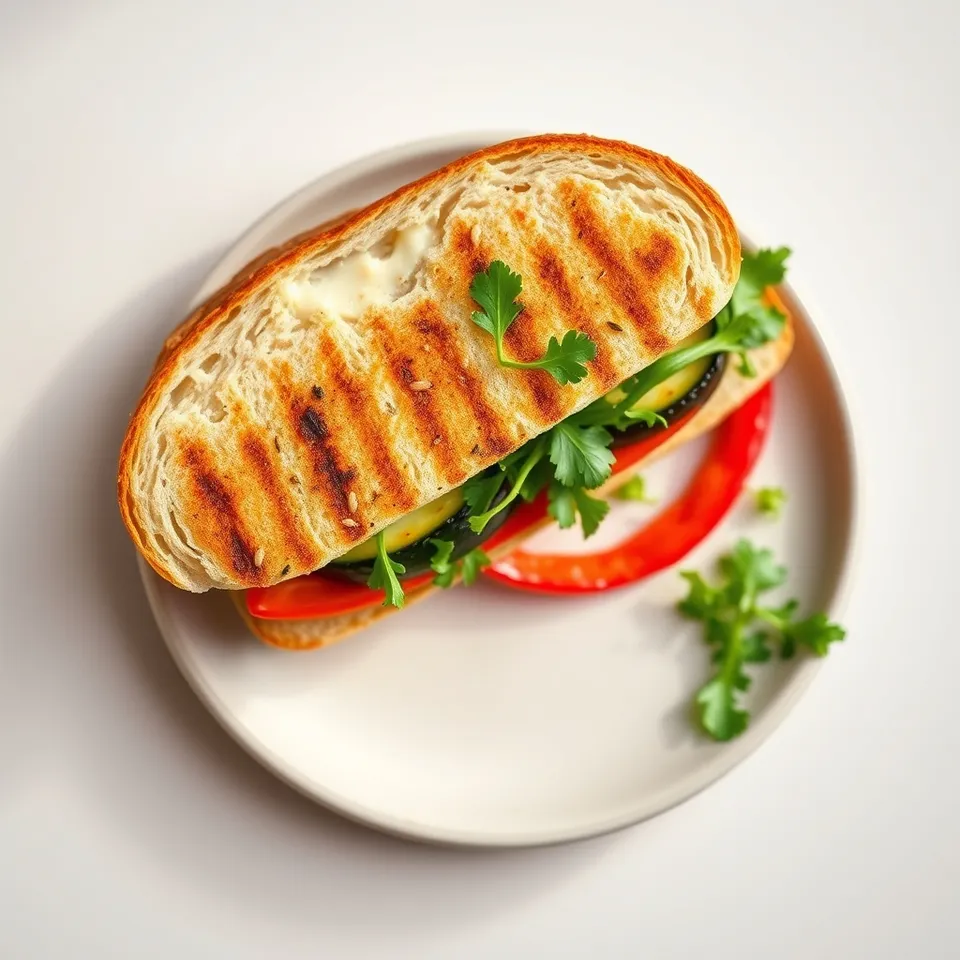
The bread has to hold up under béchamel and melted cheese without turning to mush. This recipe calls for 4 slices of sourdough, cut about 1.5 cm (⅗ inch) thick, so each sandwich keeps a crisp, chewy bite. If you want a lighter handheld lunch built on the same sturdy-bread idea, the simple healthy lunch sandwich is a good place to start.
The Béchamel Sauce
The brasserie version of the croque monsieur is topped with béchamel, a butter-and-flour roux loosened with milk and cream until it is thick enough to coat the back of a spoon. This recipe makes a small, rich batch from 1/2 cup of milk, 1/2 cup of pure or heavy cream, 1 1/2 tablespoons (25 g) of unsalted butter, and 1 1/2 tablespoons of plain flour. The cream is what separates this sauce from a plain white sauce and gives the finished sandwich its lush, spoonable topping.
Season the béchamel with 1/8 teaspoon of nutmeg and 1/4 teaspoon of salt before it goes over the bread, and let it cool slightly so it sits on the sandwich instead of running off. Because this is the indulgent build with a cream-and-butter béchamel, each sandwich lands around 1440 kcal; a lighter, milk-only béchamel version comes in nearer 797 kcal per sandwich.
Baking and Broiling: The Golden Top
The finish is a two-stage cook: a hot bake melts everything and heats it through, then a short broil bronzes the top. This recipe preheats the oven to 200°C (390°F / 180°C fan), bakes the sandwiches for 15 minutes until they are hot through and the cheese has melted, then switches to the broiler for 3 minutes until the béchamel topping turns golden and bronzed.
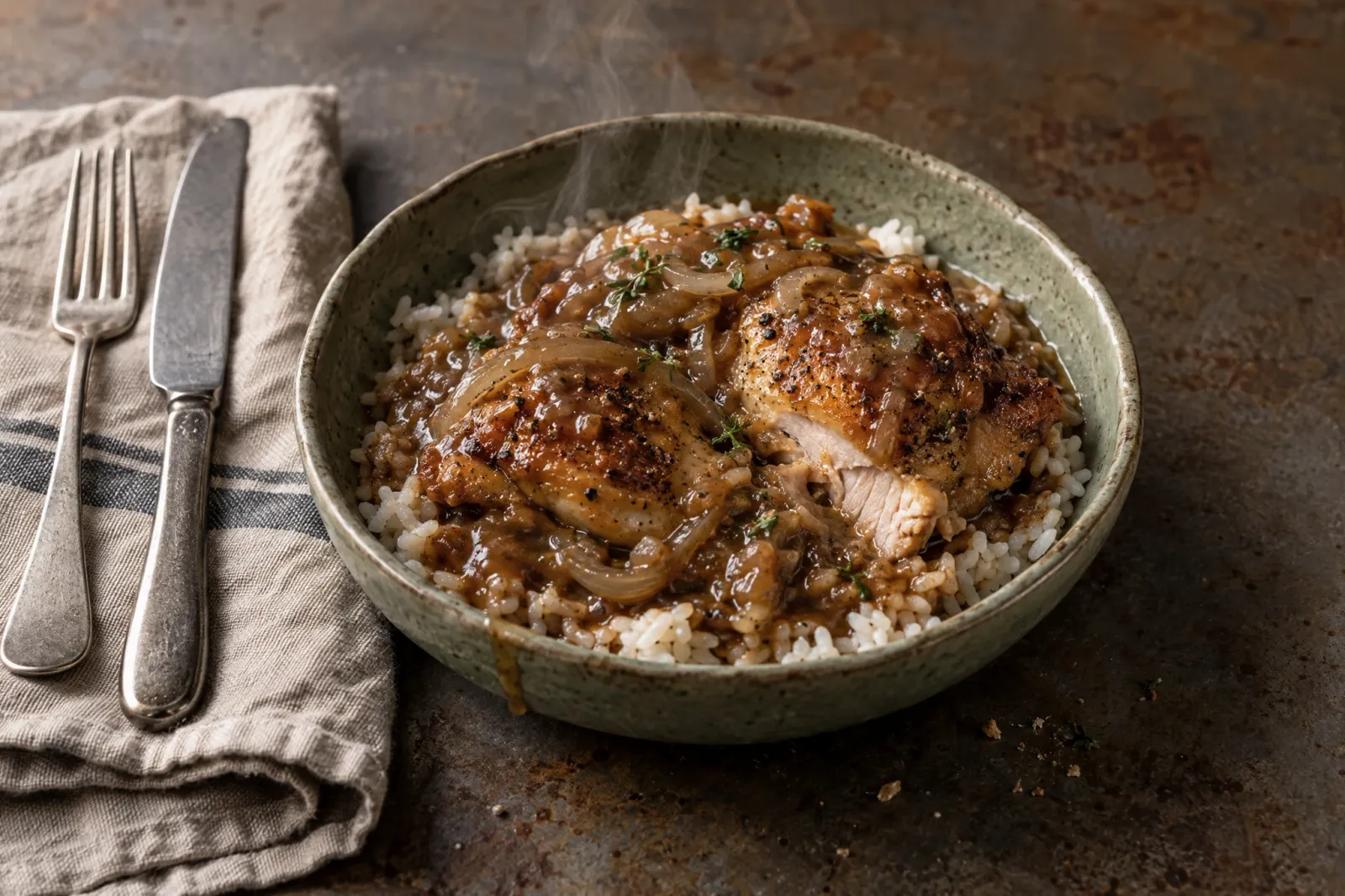
Published versions split the two stages differently, which shows how flexible the last step is. Eating European bakes at 400°F and then broils for about 30 seconds to brown the béchamel. Raymond Blanc’s method bakes at 200°C (180°C fan) for 10 to 12 minutes. Ina Garten’s version bakes for 5 minutes and then broils for 3 to 5 minutes. The constant is a brief, hot broil at the end, so watch closely — béchamel and Gruyère go from golden to burned fast. A skillet-then-bake sequence like this one is also what gives a smothered chicken and rice its browned, bubbling finish.
Variations on the Classic
Croque madame
To turn the sandwich into a croque madame, set a poached or lightly fried egg on top. The yolk is meant to break over the bronzed cheese, giving the hot ham-and-cheese sandwich a rich, saucy finish without changing the core build underneath.
Cheese swaps
Gruyère is traditional, but Comté or Emmental are both workable stand-ins for a slightly milder, nuttier result. Keep the layered slices and the shredded topping the same, since the cheese is what carries the brown, bubbling crust under the broiler.
Storing and Reheating Leftovers
Croque monsieurs are at their best straight from the broiler, but leftovers keep when they are handled safely. Refrigerate them within 2 hours of cooking, since bacteria multiply fastest between 40°F and 140°F, and use them within 3 to 4 days. Assembled but unbaked sandwiches freeze well for 2 to 3 months; wrap each one tightly before freezing, then bake it straight from frozen.
To reheat, the USDA sets 165°F as the internal temperature for reheating leftovers, checked with a food thermometer at the center of the sandwich. Leftover cooked ham should also be brought back to 165°F. For a whole cooked ham, the USDA advises setting the oven no lower than 325°F and heating to an internal temperature of 140°F when the ham came from a USDA-inspected plant, or 165°F for all other cooked hams. Since a croque monsieur is a sandwich rather than a whole ham, the leftover-reheating target of 165°F is the number to aim for.
Frequently asked questions
What is a croque monsieur?
A croque monsieur is a hot sandwich made with ham and cheese, a French café classic whose name means "crunch". The traditional build layers bread, butter, boiled ham, and Gruyère cheese, and many brasseries finish it with a spoonful of béchamel sauce.
What is the difference between a croque monsieur and a croque madame?
A croque monsieur served with a poached or lightly fried egg on top becomes a croque madame. The rest of the sandwich — bread, butter, ham, and cheese — is identical, so the only difference is that runny egg.
What cheese should I use for a croque monsieur?
Gruyère is the traditional cheese for a croque monsieur, with Comté or Emmental sometimes used as alternatives. This recipe layers Swiss or Gruyère slices inside the sandwich and tops it with shredded Gruyère so the surface browns under the broiler.
Can I freeze croque monsieurs?
Assembled croque monsieurs can be frozen for 2 to 3 months. Wrap each sandwich tightly before freezing, then bake it straight from frozen until it is hot through and the cheese has melted.
How do I reheat a croque monsieur safely?
Reheat a leftover croque monsieur until it reaches 165°F at the center, the USDA's target for reheating leftovers. If the sandwich was made with leftover cooked ham, heat the ham back to 165°F as well.
Sources
- https://en.wikipedia.org/wiki/Croque_monsieur
- https://www.recipetineats.com/croque-monsieur-french-ham-cheese-sandwich/
- https://eatingeuropean.com/classic-croque-monsieur-recipe/
- https://www.foodnetwork.com/recipes/ina-garten/croque-monsieur-recipe-1916523
- https://raymondblanc.com/recipes/croque-monsieur/
- https://somethingaboutsandwiches.com/croque-monsieur/
- https://www.fsis.usda.gov/food-safety/safe-food-handling-and-preparation/meat-catfish/hams-and-food-safety
- https://www.fsis.usda.gov/food-safety/safe-food-handling-and-preparation/food-safety-basics/leftovers-and-food-safety