Carne Asada Recipe (Grilled Skirt Steak with Citrus Marinade)
 By Camila Reyes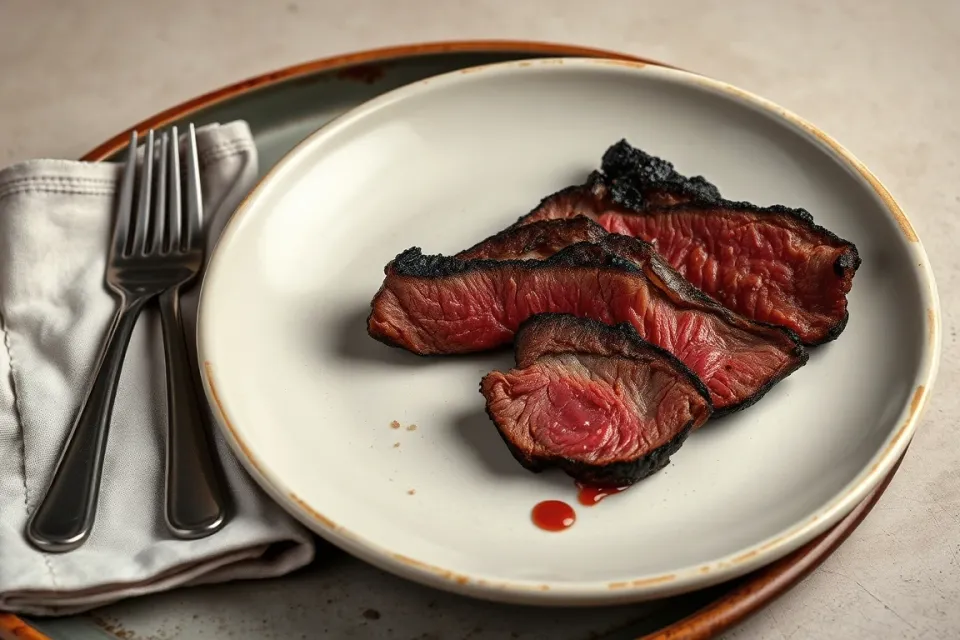
Grilled skirt steak in a citrus, garlic, and cilantro marinade — with the best cut to buy, the exact marinating window, and grill times for medium-rare to medium.
The recipe
Researched & sourced- Prep
- 15 mins
- Cook
- 15 mins
- Total
- 1 hour 30 mins
- Serves
- 6
- Calories
- 344 kcal
Ingredients
Makes 6 servings
- 2 pounds skirt steak, trimmed of excess fat (or flank steak)
- 1 jalapeño, seeded and minced
- 4 cloves garlic, minced
- 1/2 cup fresh cilantro leaves, chopped
- Juice of 1 orange
- Juice of 1 lime
- Juice of 1 lemon
- 2 tablespoons apple cider vinegar
- 1/3 cup olive oil
- 1 teaspoon ground cumin
- 1 teaspoon kosher salt
- 1/4 teaspoon freshly ground black pepper
Instructions
- 1
In a large glass baking dish (a 9x13-inch dish works well), whisk together the jalapeño, garlic, cilantro, orange juice, lime juice, lemon juice, apple cider vinegar, olive oil, cumin, salt, and pepper until combined.
- 2
Add the skirt steak in a single layer, turning to coat it in the marinade. Cover and refrigerate for at least 1 hour and no longer than 8 hours — beyond that the citrus begins to break the meat down.
- 3
Preheat a grill to medium-high heat, 400 to 450°F.
- 4
Grill the steak for 7 to 10 minutes per side, turning once, for medium-rare.
- 5
Check the internal temperature: 130°F is medium-rare and 140°F is medium; the USDA safe minimum for whole-muscle beef steaks is 145°F.
- 6
Transfer the steak to a cutting board and let it rest for 5 minutes before slicing (the USDA recommends at least a 3-minute rest).
- 7
Slice the steak thinly against the grain and serve.
Quantities, temperatures, and times are researched from the published sources listed at the bottom of this page — never first-person kitchen tests.
Carne asada is grilled, sliced beef — usually skirt, flap, or flank steak — that soaks in a citrus-and-garlic marinade, sears fast over high heat, and is sliced thin against the grain. This version settles the cut, the marinating window, and the doneness so the taco-night cook can stop guessing.
What Is Carne Asada?
Carne asada translates to “grilled meat” in Spanish, and the name is literal: it is beef that is grilled and then sliced, rather than braised, roasted, or stewed. The meat is most often cut from skirt steak, flap steak, or flank steak, though chuck steak — known as diezmillo in Spanish — shows up at Mexican butchers as an everyday alternative. Because the steak is thin and lean, it cooks in only a few minutes over a very hot fire, which is what makes carne asada a taco-night staple instead of a slow, all-day project.
Once cooked, the beef is sliced thin against the grain and served in tacos, burritos, or over rice with beans and salsa. Slicing against the grain after cooking is the step that keeps the finished strips tender, since a skirt or flank cut has long muscle fibers that would otherwise chew tough.
The Best Cut of Beef for Carne Asada
Skirt steak is the cut to reach for. It is thin, carries a pronounced grain, and holds enough marbling to stay juicy over high heat, which is why the recipe starts with 2 pounds of it, trimmed of excess fat. The Modern Proper’s version treats flank steak as a full equal, listing 2 pounds of flank or skirt steak. Flank is leaner and a touch thicker, so it rewards the same thin, against-the-grain slicing, and it is the better fallback when skirt is sold out at the counter. Wikipedia rounds out the traditional shortlist with flap steak and notes that chuck, or diezmillo, is sometimes used as well.
What all these cuts share is the long, obvious grain. Slicing against that grain — cutting across the fibers rather than parallel to them — shortens each muscle strand, which is the difference between a tender taco and a chewy one. Look at the steak before it hits the grill, note which way the fibers run, and cut across them, not with them. If slow, low-heat beef is more appealing than a fast sear, the Classic Beef Stew shows what tougher chuck does with hours of braising instead of minutes on the grill.
The Carne Asada Marinade
The marinade does two jobs at once: the citrus and vinegar tenderize the surface of the beef while the aromatics season it. Juice of 1 orange, 1 lime, and 1 lemon meets 2 tablespoons of apple cider vinegar, then the aromatics go in — 4 cloves of minced garlic, 1 seeded and minced jalapeño, and 1/2 cup of chopped cilantro. Olive oil carries the fat, at 1/3 cup, and the dry seasonings are 1 teaspoon of ground cumin, 1 teaspoon of kosher salt, and 1/4 teaspoon of freshly ground black pepper. The acid and salt begin working on the meat’s surface the moment they touch it, which is exactly why the length of the soak matters. A glass dish or zip-top bag keeps the acidic mixture from reacting with metal, and turning the steak once partway through makes sure every inch is coated.
Marinate the steak for at least 1 hour and no longer than 8 hours. The published guidance around this window wanders: The Modern Proper lets the steak sit 1 to 4 hours, while Creative Culinary stretches it from 2 to 24 hours. The USDA permits refrigerated marinating for up to 5 days, but that ceiling is a food-safety limit, not a texture recommendation. With this much citrus and vinegar, past 8 hours the acid keeps breaking down the surface and can turn the beef mushy rather than more tender, so the recipe’s shorter window is the honest one.
How to Cook Carne Asada: Grill, Skillet, and Doneness
Preheat the grill to medium-high, between 400 and 450°F. Lay the steak over the hottest part of the grate and grill it for 7 to 10 minutes per side, turning once, for medium-rare; The Modern Proper’s shorter estimate is 5 to 8 minutes per side. Because skirt steak is thin, it needs that high heat and a short stay — long, low heat would dry it out before a sear forms. No grill? A cast-iron skillet gets the same sear indoors: The Modern Proper’s stovetop method cooks the meat 4 to 8 minutes on each side, and a very hot pan is the substitute for an open flame.
For doneness, pull the steak at 130°F for medium-rare or 140°F for medium. Those are the common targets, and they sit below the USDA’s safety floor: the agency sets 145°F as the safe minimum internal temperature for whole-muscle beef steaks, chops, and roasts, held with a rest of at least 3 minutes. An instant-read thermometer in the thickest part of the steak is the reliable way to hit either target. After grilling, move the steak to a cutting board and let it rest for 5 minutes before slicing (The Modern Proper rests it 5 to 10 minutes). The rest lets carryover heat settle the juices, and the thin against-the-grain slice that follows is what turns a hot slab of beef into taco-ready strips. For another beef dinner that relies on a verified doneness temperature, see the Air Fryer Meatloaf.
How to Store Leftover Carne Asada
Cool leftover carne asada and keep it in an airtight container in the refrigerator for up to 4 days, or freeze it for up to 2 months. When reheating, use gentle heat so the thin slices warm through without drying out. For raw beef, refrigerate it at 40°F and cook it within 3 to 5 days. Any marinade that touched raw beef should not be saved as-is: the USDA says to discard any uncooked leftover marinade, or to boil a used marinade before brushing it over cooked beef. That boil step is what makes the difference between a safe finishing sauce and a cross-contamination risk, since the same liquid sat against raw steak for hours. For more Mexican grilling and weeknight mains, browse the dinner recipes hub.
Frequently asked questions
What is carne asada?
Carne asada is Spanish for 'grilled meat' — grilled, sliced beef most often cut from skirt, flap, or flank steak, with chuck (called diezmillo in Spanish) as an occasional alternative. It is marinated, cooked quickly over high heat, and sliced thinly against the grain for tacos or plates.
What cut of beef is best for carne asada?
Skirt steak is the traditional choice, and this carne asada recipe uses 2 pounds of it, trimmed of excess fat. Flank steak works as a substitute — The Modern Proper's version lists 2 pounds of flank or skirt steak — and both benefit from slicing against the grain.
How long should you marinate carne asada?
Marinate carne asada for at least 1 hour and no longer than 8 hours. The USDA permits refrigerated marinating for up to 5 days, but the citrus breaks the beef down past 8 hours, so a longer soak is not more tender.
Is it safe to eat carne asada cooked to medium-rare?
Medium-rare carne asada is pulled at 130°F, which is below the USDA's 145°F safe minimum for whole-muscle beef steaks. To meet the USDA floor, cook the steak to 145°F and let it rest at least 3 minutes.
What do you serve with carne asada?
Carne asada is sliced thinly against the grain and served in tacos, burritos, or over rice with warm tortillas, salsa, and sliced avocado. The recipe's nutrition reflects the steak and marinade only, so tortillas and toppings add to the per-serving count.
Sources
- https://pinchandswirl.com/carne-asada-recipe/
- https://themodernproper.com/carne-asada
- https://creative-culinary.com/carne-asada-mexican-flank-steak/
- https://en.wikipedia.org/wiki/Carne_asada
- https://www.fsis.usda.gov/food-safety/safe-food-handling-and-preparation/food-safety-basics/safe-temperature-chart
- https://www.fsis.usda.gov/food-safety/safe-food-handling-and-preparation/meat-catfish/beef-farm-table